A free matching service — not a builder · You compare and choose · 10 languages

ModPath Homes
☰ Menu
Guide

The modular home building process

The modular home building process

Building a modular home usually follows a clear path, but the details can change based on your land, local rules, and the builder you hire. This guide explains the main steps in plain language so you know what to ask, what to compare, and where delays or extra costs can happen.

1. Start with land, goals, and budget

Before you pick a floor plan, get clear on the basics. Do you already own land, or do you still need a lot? Will this be a primary home, a smaller backyard unit, or a home for family on the same property?

A modular home is built in sections, called modules, in a factory and then moved to your site for installation. That is different from a HUD-code manufactured home. Modular homes usually follow the same state or local residential code as site-built homes.

At this stage, many homeowners make a simple checklist: - land status and address - home size and layout needs - city or county zoning rules - utility access, like water, sewer, septic, and power - a realistic total budget for home, site work, permits, and setup

If you want help comparing options, ModPath Homes is a free matching service. We help you learn about the process and connect with builders near you. You compare and choose who to hire, and you should confirm scope, price, timeline, license, and insurance directly with the builder in writing.
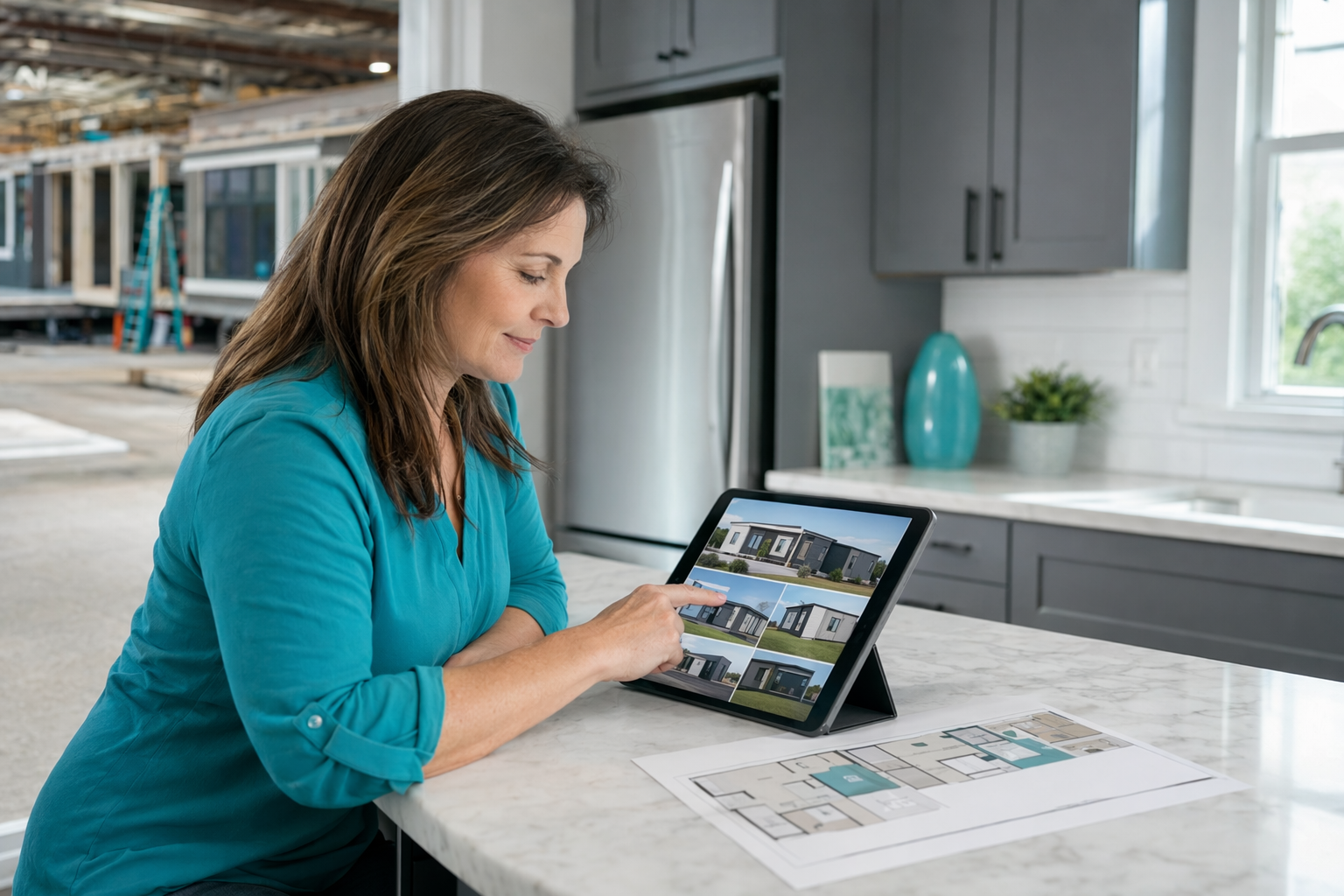
2. Choose a model and check site fit

Once you know your land and goals, you can start reviewing models and layouts. Some plans work well on flat lots. Others may need a specific foundation, driveway access, or crane space for set day. You can browse ideas on models and learn more about modular homes.

This is also the time to think about site fit. A builder or setup crew may need to confirm road access, slope, soil conditions, setback rules, and whether the modules can be delivered safely. A home that looks simple on paper may be harder to place on a tight, steep, or rural site.

If you are planning a smaller backyard home, the process may overlap with ADU rules. Cities and counties often have special standards for lot coverage, parking, owner occupancy, height, and utility connections. Our ADU builders service can help you start comparing local options.

3. Get quotes, plans, and permits moving

After you narrow your options, ask builders for written estimates and a clear scope of work. Not every quote includes the same items. One builder may include foundation work, delivery, crane set, and finish work. Another may price only the factory home.

Ask questions like these: 1. What exactly is included in the base price? 2. Who handles permits and inspections? 3. Who does site work, utilities, foundation, and driveway? 4. What finish work happens after the modules are set? 5. What items could change the price later?

Permits often involve more than one approval. You may need zoning review, building permits, septic approval, driveway permits, utility sign-off, and inspections. Your builder may help with some or many of these steps, but you should confirm responsibilities in writing.

If you are early in the process, get matched to compare builders near you. ModPath Homes does not build homes or provide licensed construction services. We are a free guide and matching service.

4. Factory build, site work, and set day

One part of the home is built in the factory while your site is being prepared. That can include grading, foundation work, utility trenches, septic or sewer connections, and access for delivery trucks. These tasks must line up well, or the project can pause.

Factory construction does not remove the need for local work. The modules still need a foundation, transport, a crane set day, and finishing on site. Common foundation types include slab, crawlspace, and basement. The right choice depends on the home design, land, climate, and local code.

On set day, the modules are delivered and lifted into place by crane. This is a big milestone, but it is not the end of the project. Crews still need to join sections together, complete roof and wall connections, finish interior seams, connect utilities, and pass inspections.

5. Final work, financing, and move-in

After the set, the builder or trade crews finish the home. This can include interior trim, drywall touch-up, exterior steps or porches, utility hookups, and final code items. A final inspection or certificate may be needed before you can move in.

Financing can also affect the process. Some homeowners use land loans, construction-to-permanent loans, or other lending options. In some cases, manufactured homes may use chattel loans, but modular homes are often financed differently because they are installed on a permanent foundation. Loan rules vary by lender, property, and borrower.

Before you sign, review all documents carefully. Make sure you understand allowances, change orders, payment schedule, warranty terms, and who is responsible for each part of the project. You can read more in our guides and costs pages.

The key is to compare carefully and keep everything in writing. ModPath Homes helps you start the process for free, but you choose who to hire and should verify the builder's license and insurance yourself.

In plain English: A modular home is built in factory-made sections, then finished on your land. The best results come from clear planning, careful quote review, and getting every responsibility in writing.

Common questions

How long does the modular home process take?

It depends on the model, factory schedule, permits, site work, weather, financing, and your local inspection process. Some steps happen at the same time, but delays can still happen. Ask each builder for a written timeline and ask what could change it.

Is a modular home the same as a manufactured home?

No. A modular home is usually built to the same state or local residential code as a site-built home and installed on a permanent foundation. A manufactured home is built to the federal HUD code. The financing, installation, and local rules may differ.

What costs do homeowners forget about?

Common items include site work, permits, utility connections, septic or sewer work, foundation, delivery, crane service, driveway work, surveys, engineering, and finish work after set day. Ask for a line-by-line written estimate so you can compare builders fairly.

Can ModPath Homes build my home or give me a quote?

No. ModPath Homes is a free matching and guide service. We help you learn the process and connect with builders near you. You compare your options and work directly with the builder for plans, pricing, contracts, timeline, and construction details.

Keep reading

Free tool

Start your free match

Free for homeowners. Project and contact details only. You compare builders and choose who to hire.

Get matched — free