A free matching service — not a builder · You compare and choose · 10 languages

ModPath Homes
☰ Menu
Guide

Modular vs Site-Built Homes

Modular vs Site-Built Homes

Modular and site-built homes can look very similar when finished, but they are built in different ways. A modular home is made in sections in a factory, then delivered to your land and set on a foundation. A site-built home is framed and assembled mostly on the job site.

What is the difference?

The main difference is where the home is built. A site-built home is constructed piece by piece on your land. A modular home is built in sections, often called modules, in a factory and then moved to the site for installation.

Both types can be single-family homes, larger custom homes, or small backyard homes in some cases. A finished modular home is usually placed on a permanent foundation, such as a slab, crawlspace, or basement. After set day, crews connect the sections, finish the interior and exterior seams, and complete utility hookups.

If you are still comparing home types, see guides or explore modular homes.

How the building process works

With a site-built home, most work happens outdoors on your property. The builder prepares the site, pours the foundation, frames the structure, installs systems, and finishes the home on site. Weather and site access can affect the schedule.

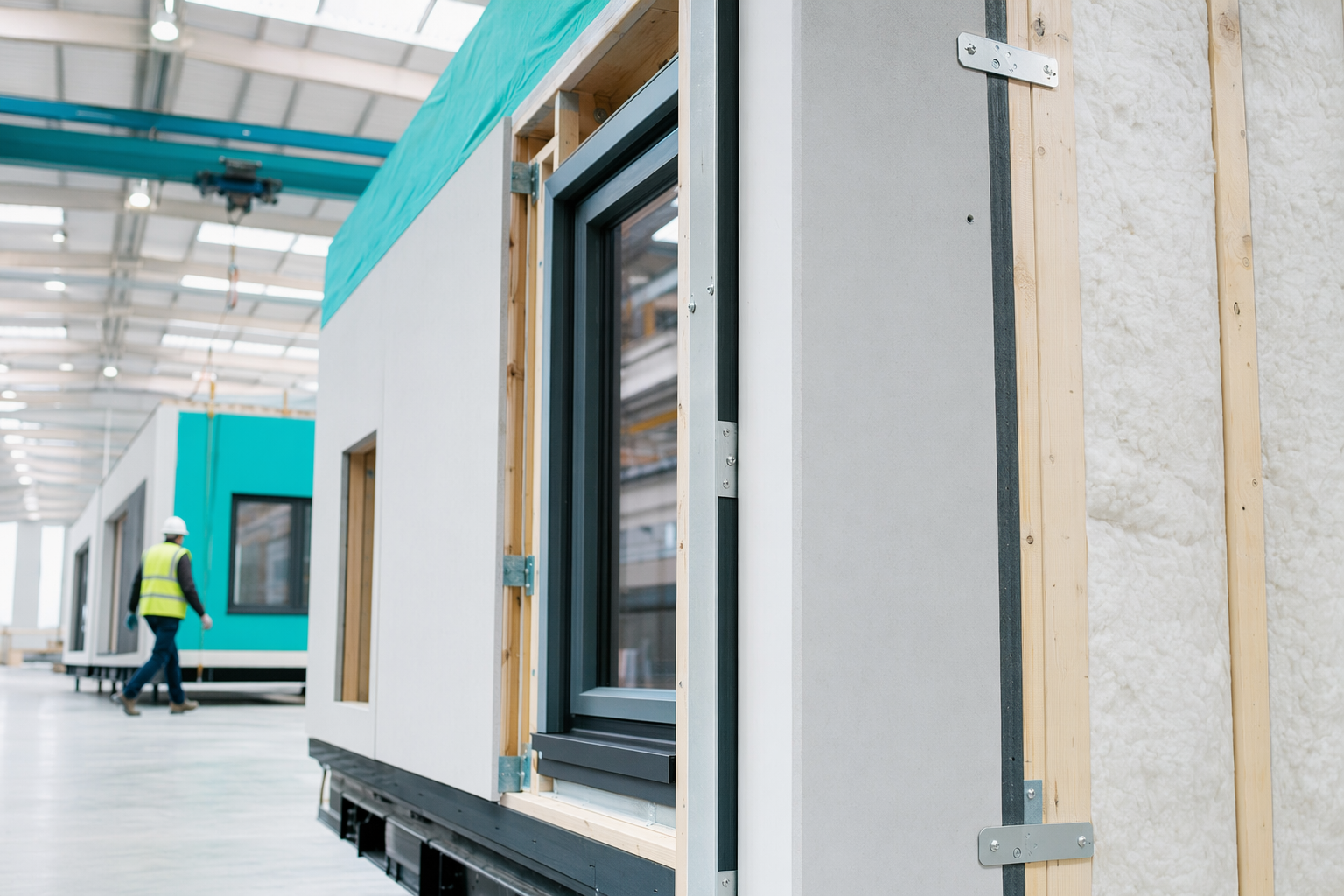
With a modular home, part of the work happens in a factory while site work may happen at the same time. The factory builds the modules. Your local builder or set crew prepares the land and foundation, then a crane may place the modules on set day. After that, crews complete the final work on site.

Common steps for modular homes include: - land review and zoning check - floor plan and model selection - site work and foundation - factory construction of modules - delivery and crane set day - finish work, utility connections, inspections, and certificate of occupancy

Before you hire anyone, confirm in writing who handles permits, site work, utility hookups, transport, crane work, and finish work. Scope can vary from one builder to another.
Codes, quality, and what people often get wrong

A common misunderstanding is that modular homes are the same as manufactured homes. They are not the same. Manufactured homes are built to the federal HUD code. Modular homes are usually built to the state or local residential code, often based on the IRC, like many site-built homes.

That does not mean one type is automatically better in every situation. Quality depends on the design, materials, factory standards, local installation, and the builder's work on your site. A well-built modular home can be durable and attractive. A poorly managed project of any type can have problems.

Ask each builder clear questions: 1. What code is this home built to? 2. What is included in your scope? 3. Who handles inspections and permits? 4. Who is responsible for warranty items?

ModPath Homes is a free matching service. We help you compare experienced builders near you, but you choose who to hire and should verify license and insurance yourself.

Pros and tradeoffs to think about

Modular homes may offer a more predictable factory process for part of the build. Site-built homes may offer more flexibility for certain designs, steep lots, or unusual site conditions. Neither choice is right for every property or every budget.

Important tradeoffs include: - Design flexibility. Some modular plans are highly customizable, but not every change is simple. - Site access. Trucks and cranes need room. Tight roads, steep slopes, and trees can matter. - Foundation needs. Slab, crawlspace, and basement options can change cost and scope. - Financing. Some buyers use construction-to-permanent loans. Some manufactured homes use chattel loans instead, depending on the home and land setup. - Local rules. Zoning, HOA rules, utility access, and permit requirements can affect what is allowed.

If you are also planning a smaller second home, read about ADU builders and compare options carefully.

How to decide which path fits your project

Start with your land, your local rules, and your must-have features. A beautiful floor plan does not help if your lot has access limits, strict setbacks, difficult utility runs, or a foundation issue.

It helps to compare at least a few builders on the same topics. Ask for written scope, estimated allowances, excluded items, and who manages each phase. Review transport, crane set, site work, and finish work line by line.

You can use ModPath Homes as a free guide and matching service to compare builders near you. We are not a builder or licensed construction professional. You can get matched and then decide who to contact, what questions to ask, and who you want to hire.

For more planning help, visit how it works, browse models, or read more about costs.

In plain English: Modular and site-built homes can both be good choices. The best option depends on your land, local rules, design needs, and the builder team you choose.

Common questions

Do modular homes last as long as site-built homes?

They can, but durability depends on design, materials, installation, maintenance, and local conditions. A modular home that is properly built, transported, set, and finished can perform well for many years. Ask what code the home is built to and who is responsible for the on-site work.

Is a modular home always cheaper than a site-built home?

Not always. Total project cost depends on the model, finishes, land, site work, permits, foundation, delivery distance, crane needs, utility connections, and local labor. Compare full written scope, not just the base home price.

Can a modular home go on any lot?

No. The lot must work for zoning, setbacks, foundation needs, utility access, and delivery logistics. Narrow roads, steep grades, low power lines, trees, or limited crane access can affect whether a modular setup is practical.

Does ModPath Homes build the home for me?

No. ModPath Homes is a free matching and guide service. We help you compare builders near you, but you choose who to hire. Confirm scope, price, and timeline in writing with the builder, and verify license and insurance yourself.

Keep reading

Free tool

Start your free match

Free for homeowners. Project and contact details only. You compare builders and choose who to hire.

Get matched — free