A free matching service — not a builder · You compare and choose · 10 languages

ModPath Homes
☰ Menu
Build path

Prefab and Panelized Homes

Prefab and Panelized Homes

Prefab homes are built partly in a factory, then finished on your land. Panelized homes are one type of prefab, where wall, roof, and floor sections are made ahead of time and assembled on site. ModPath Homes is a free matching service that helps you compare local builders for prefab, panelized, modular, manufactured, and ADU projects.

What prefab and panelized homes mean

Prefab means "prefabricated." It is a broad term for homes or home parts made before they reach the job site.

A panelized home is a prefab home built from flat sections, often wall panels, roof panels, and floor systems. Those parts are shipped to your land and put together there. This is different from a modular home, which arrives in larger box-like modules.

Some prefab systems use open panels. Some use closed panels with insulation, windows, or wiring already installed. The exact scope depends on the builder, the factory, and local code requirements.

How panelized homes differ from modular homes

The main difference is how much is built before delivery. Panelized homes arrive in pieces and need more framing and finishing work on site. Modular homes arrive in larger sections and are usually more complete before crane set day.

Most panelized and modular homes are built to the state or local residential code, usually the IRC, like many site-built homes. Manufactured homes are different. They are built to the federal HUD Code. You can learn more in our guides and compare paths in modular homes.

Panelized construction can be a good fit for sites with access limits, design flexibility needs, or buyers who want a home that still follows a more traditional on-site assembly process. But the right fit depends on your land, budget, design, and builder experience.

What the building process usually looks like

A prefab or panelized project still needs many of the same steps as other new homes. Factory work does not remove the need for land review, permits, foundation work, utility planning, and site prep.

  1. Choose a floor plan or custom design.
  2. Review your land, zoning, setbacks, and utility access.
  3. Confirm engineering, permits, and foundation plans.
  4. Factory builds the panels or home components.
  5. Builder prepares the site, foundation, and delivery access.
  6. Crew assembles the home on site and completes interior and exterior finish work.

Your project may use a slab, crawlspace, or basement foundation. Ask who handles each part of the job, including excavation, utility connections, weather barrier, roofing, siding, drywall, trim, and final inspections.

Before you hire anyone, get the scope, price, allowances, and timeline in writing. Also verify the builder's license and insurance yourself.

What affects price and timeline

No one can honestly promise an exact price or completion date without reviewing your plans, land, site conditions, and local requirements. Costs and timelines vary by home size, panel package type, finish level, permits, foundation, utility work, transportation, crane needs if any, and builder workload.

Common cost drivers include: - Land clearing and grading - Foundation type - Utility trenching and hookups - Road access and delivery logistics - Roof complexity and exterior finishes - Interior selections and change orders - Local permit and inspection requirements

If you are comparing financing, ask whether the lender offers construction-to-permanent loans or other products that fit your project. Some homes and land situations may qualify for different loan types. Confirm terms directly with the lender.

Our role is to help you get matched with builders so you can compare options. Start here: get matched.

How ModPath Homes can help

ModPath Homes is not a builder, manufacturer, contractor, architect, or licensed building professional. We are a free matching and guide service.

We help homeowners understand basic prefab paths, prepare questions, and connect with builders near them. You compare who to hire. You confirm design, scope, price, timeline, warranty details, and site responsibilities directly with the builder.

We can also help if you are comparing related options, like ADU builders, modular homes, or model ideas in /models/. Many families use us because they want plain-language help before they start talking with companies.

If English is not your first language, that is okay. We support homeowners in 10 languages so it is easier to ask questions and understand the process.
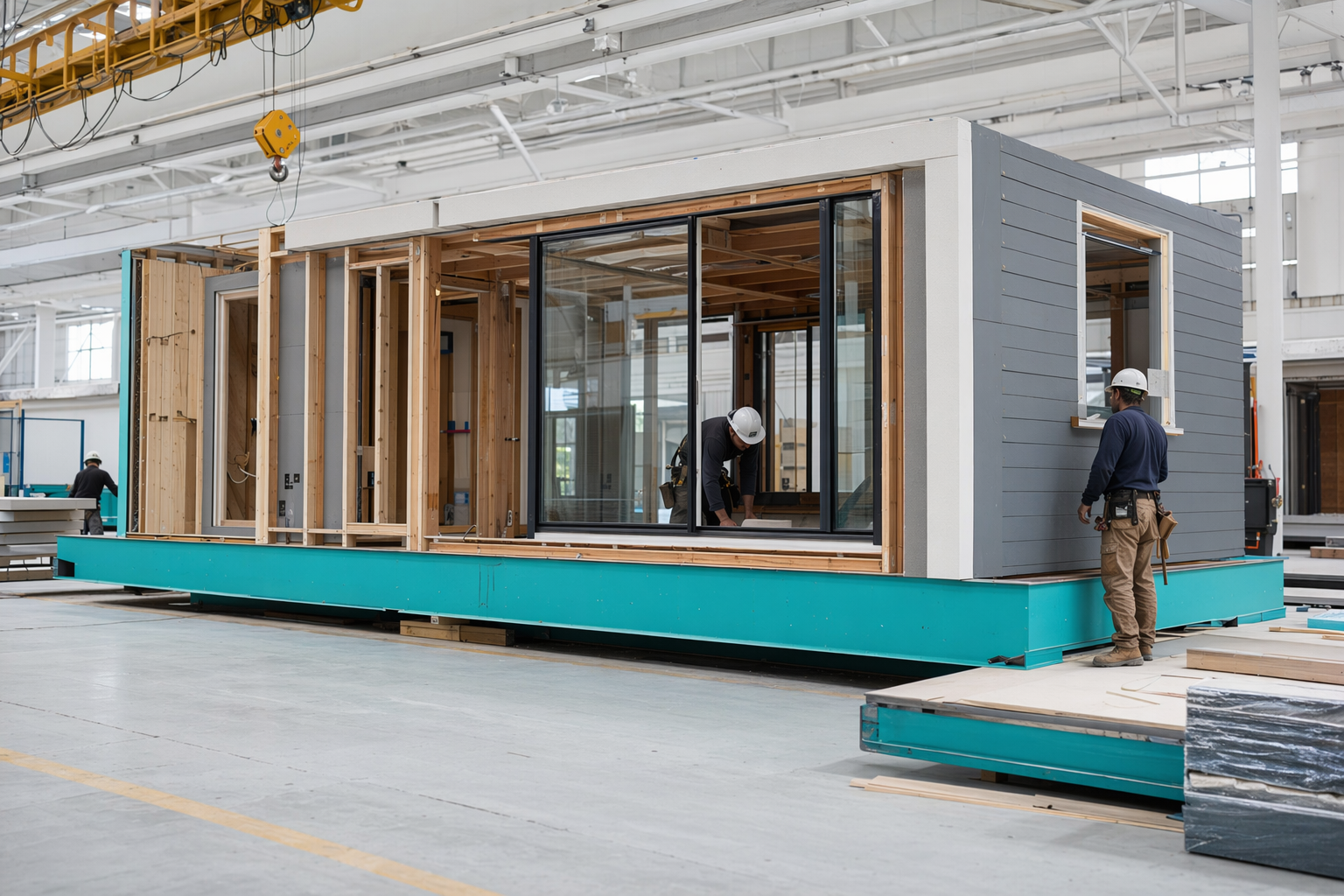
In plain English: Prefab is a broad word, and panelized homes are one kind of prefab. We help you compare local builders for free, then you choose the builder and confirm all details in writing.

Common questions

Is a panelized home the same as a modular home?

No. Both are prefab methods, but they are not the same. A panelized home is shipped in flat sections and assembled on site. A modular home is shipped in larger modules that are more complete before delivery.

Are prefab homes cheaper than site-built homes?

Sometimes they can be competitive, but there is no universal rule. Final cost depends on the home design, factory package, land, foundation, site work, utilities, permits, finish level, and the builder you hire. Compare full written estimates, not just the base package.

Do I still need permits and inspections for a panelized home?

Usually yes. Most panelized homes still need local permits, inspections, foundation approval, and utility sign-off. The exact process depends on your city, county, and state. Ask the builder which permits they handle and which tasks are your responsibility.

What does ModPath Homes do, exactly?

We offer a free matching service. We help you learn the basics and connect with builders near you for prefab, panelized, modular, manufactured, and ADU projects. We do not build homes or supervise construction. You choose who to hire and should verify the builder's license and insurance yourself.

Keep reading

Free tool

Start your free match

Free for homeowners. Project and contact details only. You compare builders and choose who to hire.

Get matched — free