A free matching service — not a builder · You compare and choose · 10 languages

ModPath Homes
☰ Menu
Project story

A family of five outgrew their rental

A family of five outgrew their rental

This is an anonymized, illustrative story about a family of five who needed more space than their rental could offer. ModPath Homes did not build the home. We provided free guidance and matched the household with builders to compare, and outcomes can vary by location, land, budget, and builder.

Why this family started looking

The household had five people sharing a rental that no longer fit their daily life. Bedrooms were tight, storage was limited, and the family wanted more stability than another lease renewal could offer.

They were curious about a modular home because it seemed like a practical path to a larger layout. But they did not know how modular building worked, what kind of land would be needed, or which local builders to call first.

They came to ModPath Homes for a free starting point. Our role was to help them understand their options and get matched with builders near them to compare.

What they needed to figure out first

Before talking about floor plans, the family had to sort through a few basic questions. This is common for homeowners who are early in the process.

  • Would they place the home on land they already had, or buy land first?
  • Would local zoning allow the home type they wanted?
  • Did they need a permanent foundation like a slab, crawlspace, or basement?
  • How much site work might be needed for driveway access, grading, utilities, and permits?

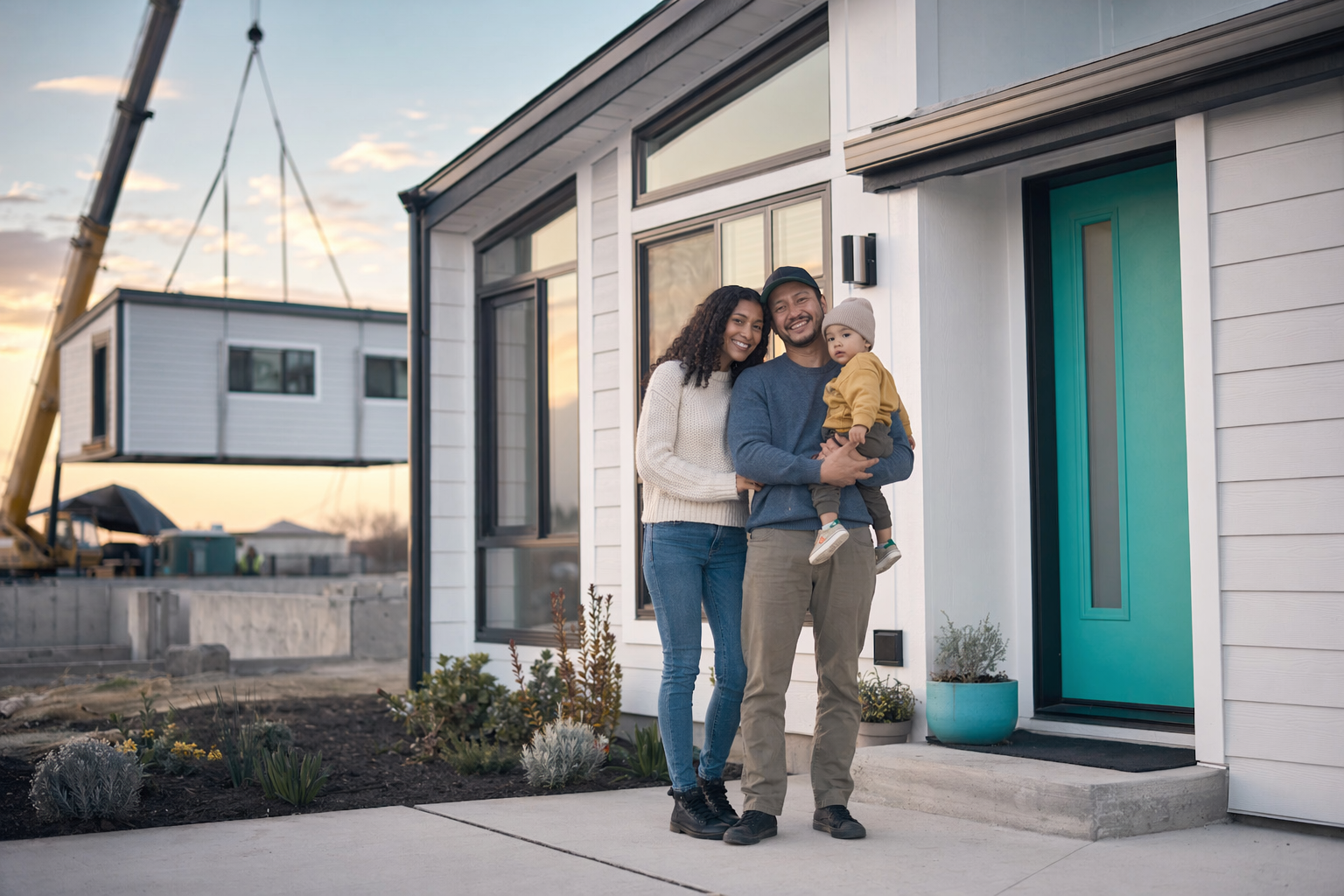
We explained that modular homes are built to the state or local residential code, usually the IRC, then transported in sections and set by crane on site. That is different from HUD code manufactured homes. For many families, understanding that difference is an important first step. You can learn more in our guides and modular homes service page.

How the matching process helped

After learning more about the family's goals, we helped them organize the main details they would need to discuss with builders. That included household size, preferred layout, target areas, land status, and whether they were also considering financing.

We then matched them with experienced builders serving their area so they could compare options. The family reviewed model styles, asked about what was included versus excluded, and requested written estimates for the home, transport, set, and site-related work.

Our service was free. The family still had to choose who to hire, confirm scope, price, and timeline in writing, and verify each builder's license and insurance for themselves. If you are at that stage now, you can get matched to start comparing local options.
What they learned during planning

One big lesson was that the home price is only part of the project. The family learned to ask separate questions about factory build, foundation, utility connections, permits, land preparation, and finish work after set day.

They also learned that timelines can shift. Weather, permit review, utility approvals, factory schedules, and site conditions can all affect progress. A crane set day may happen quickly, but that does not mean the full project is finished right away.

To stay organized, they used a simple checklist:

  1. Confirm zoning and land use rules.
  2. Compare models and included features.
  3. Ask what site work is not included.
  4. Review financing options, such as construction-to-permanent loans, if applicable.
  5. Get builder scope, pricing, and timeline details in writing.

Families who are still comparing layouts often start with models and costs for general planning information.

The result, and why this is only one example

In this example, the family moved from feeling stuck in a crowded rental to having a clearer plan for a larger home. The main win was not a magic shortcut. It was having a simpler way to compare builders, ask better questions, and understand the full project before signing a contract.

This story is only one example. It is not a promise about price, speed, approval, or final results. Every project depends on the home design, builder, land, permits, financing, transportation, and site work in that area.

If your household needs more room, ModPath Homes can help you understand the process and compare local options through our free matching service. See how it works or get matched when you are ready.

In plain English: This family's biggest benefit was getting organized before hiring anyone. A clear plan and builder comparison can help you ask better questions and avoid surprises later.

Common questions

Did ModPath Homes build this family's house?

No. ModPath Homes is a free matching and guidance service. We help homeowners learn about modular, prefab, manufactured, and ADU paths, then compare builders near them. The homeowner chooses who to hire and should confirm all project details in writing with that builder.

Is a modular home the same as a manufactured home?

No. A modular home is usually built in sections to state or local residential code and placed on a permanent foundation. A manufactured home is built to the federal HUD code. The right fit depends on your land, local rules, budget, and goals.

Can a family know the total project cost right away?

Usually not at the very beginning. Total cost can depend on the model, finishes, land, foundation type, utility hookups, grading, permits, transport, crane set, and local labor. Ask each builder to show what is included and what is not included.

What should a homeowner verify before signing with a builder?

Verify the builder's license and insurance yourself. Ask for a written scope of work, payment schedule, estimated timeline, change-order process, and warranty details. Also confirm who is responsible for permits, site work, utility connections, and inspections.

Keep reading

Free tool

Start your free match

Free for homeowners. Project and contact details only. You compare builders and choose who to hire.

Get matched — free