A free matching service — not a builder · You compare and choose · 10 languages

ModPath Homes
☰ Menu
Project story

A first home on inherited land

A first home on inherited land

This story is an anonymized example of how one household used ModPath Homes as a free matching and planning guide while exploring a first home on family land. It is not a promise of price, timing, approval, or results. Every property, builder, and local rule is different.

Starting with land, but not with answers

A young household wanted to place a first home on land that had been in the family for years. The land helped, but it did not answer the big questions. Could they legally build there. Would the site support a home. What kind of home made sense for their budget and long-term needs.

They were also sorting through family expectations, language barriers, and basic planning steps. They had heard words like modular, prefab, manufactured, and ADU, but were not sure what each one meant. Before talking to builders, they needed a clear path.

They came to ModPath Homes for free guidance and matching. We are not a builder or licensed design professional. We help homeowners learn the process, compare options, and get connected with experienced home builders near them through how it works.

First, they checked the land and local rules

One of the first lessons was simple. Inherited land is not the same as build-ready land. A family may own property for many years, but a new home can still require zoning review, access planning, utility work, permits, and site preparation.

The household made a checklist before choosing a floor plan:

  • Confirm who legally owned the land and whether any paperwork needed updating.
  • Ask the local building or planning office what kind of home was allowed.
  • Check setback rules, road access, and whether a driveway or address update was needed.
  • Ask about water, sewer, septic, power, and drainage.
  • Learn what foundation types might work, such as slab, crawlspace, or basement.

This step helped them avoid a common mistake. They did not choose a home model first and hope it would fit later. They worked from the land outward. That made later builder conversations more useful. Homeowners often start with guides and costs so they know which questions to ask.

Learning what type of factory-built home fit best

The household first thought all factory-built homes were basically the same. They learned there are important differences.

A manufactured home is built to the federal HUD code. A modular home is built in sections, often called modules, and is installed on a permanent foundation under state and local rules, usually based on the IRC. Some prefab homes use panelized parts instead of full modules. An ADU is a second smaller home on a property where local rules allow it.

Because this was meant to be their main first home on family land, they spent most of their time comparing modular homes and a few other factory-built options. They looked at practical things, not just looks:

  1. Size and layout for daily living.
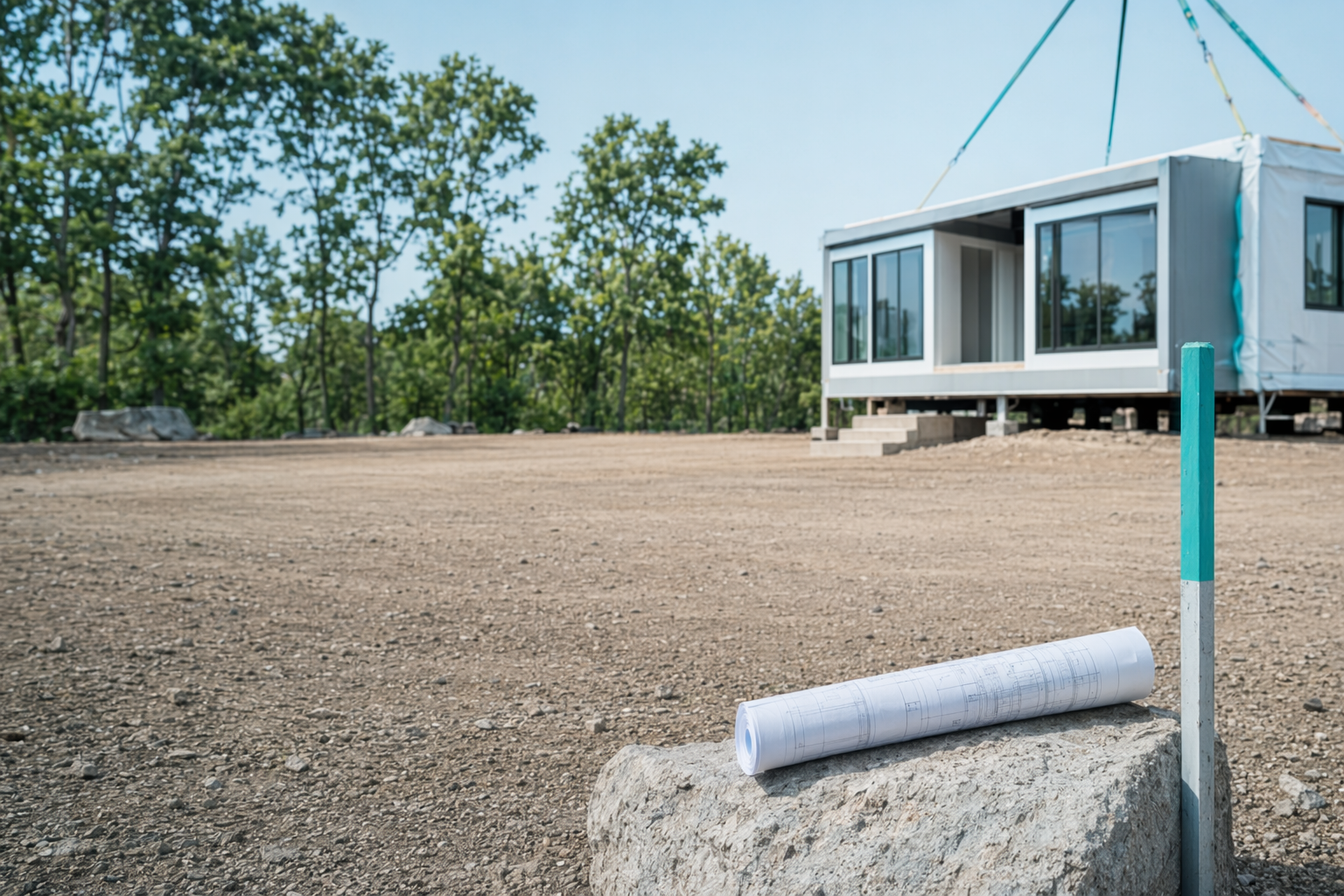
  2. Whether the site could handle delivery and crane set day.
  3. Foundation needs and site work.
  4. Permit path and local approval.
  5. Builder experience in that area.

This gave them a better way to compare homes in models without assuming one method was always cheaper or faster. Outcomes vary a lot by land, model, and builder.

Getting matched helped them compare builders

After the early planning work, ModPath Homes helped them get matched with builders who worked in their region and had experience with this kind of project. Our role was to help them organize questions, understand terms, and compare options. The household still had to choose who to hire and verify each builder's license, insurance, scope, price, and timeline in writing.

The most helpful part was not a sales pitch. It was structure. They could ask each builder the same core questions about site work, foundation responsibility, utility connections, transport, crane work, permits, finish level, and what was excluded.

They also learned that quotes may not cover the same work. One builder might discuss the home package only, while another may include more coordination. That is why written scope matters. If you are early in the process, you can get matched for free and compare local options yourself.
What this household took away

In this example, the household moved from confusion to a clearer plan. They understood the land better, narrowed the home type, and felt more prepared to speak with builders. That confidence mattered, especially because they were making a major decision for the first time.

Their story does not prove a guaranteed result. Another family on different land may face different zoning rules, financing limits, site costs, or builder availability. But the process lessons are useful:

  • Start with land facts, not just a floor plan.
  • Learn the difference between modular, manufactured, prefab, and ADU options.
  • Compare builders using the same written questions.
  • Confirm scope, price, timeline, license, and insurance yourself before signing.

For some households, inherited land can create a real opportunity. It can also come with hidden work. A free matching service can help you get organized, but the final due diligence is still yours.

In plain English: Inherited land can be a good starting point, but it is not the same as a ready-to-build lot. The key is to check the land first, learn your home options, and compare builders carefully before you sign anything.

Common questions

Can I build a modular home on inherited land?

Maybe. It depends on local zoning, access, utility service, setbacks, soil or septic conditions, and other site factors. Owning land does not automatically mean a home can be placed there. Check with your local planning and building offices, and confirm details with the builder you may hire.

Is inherited land enough to get financing?

Sometimes, but not always. Loan options vary by borrower, land status, home type, lender, and project details. Some buyers ask about construction-to-permanent loans. Some manufactured home buyers may hear about chattel loans in certain situations. Ask lenders what they require, and get terms in writing.

What is the difference between modular and manufactured homes?

A manufactured home is built to the federal HUD code. A modular home is built in sections and installed on a permanent foundation under state and local rules, usually based on the IRC. Both are factory-built, but they follow different codes and may fit different land and financing situations.

What does ModPath Homes do in a project like this?

ModPath Homes is a free matching and guide service. We are not the builder, manufacturer, contractor, architect, or licensed building professional on your project. We help you learn the process and get matched with experienced home builders near you. You compare options, choose who to hire, and verify license, insurance, scope, price, and timeline yourself.

Keep reading

Free tool

Start your free match

Free for homeowners. Project and contact details only. You compare builders and choose who to hire.

Get matched — free