Are Modular Homes Good Quality?
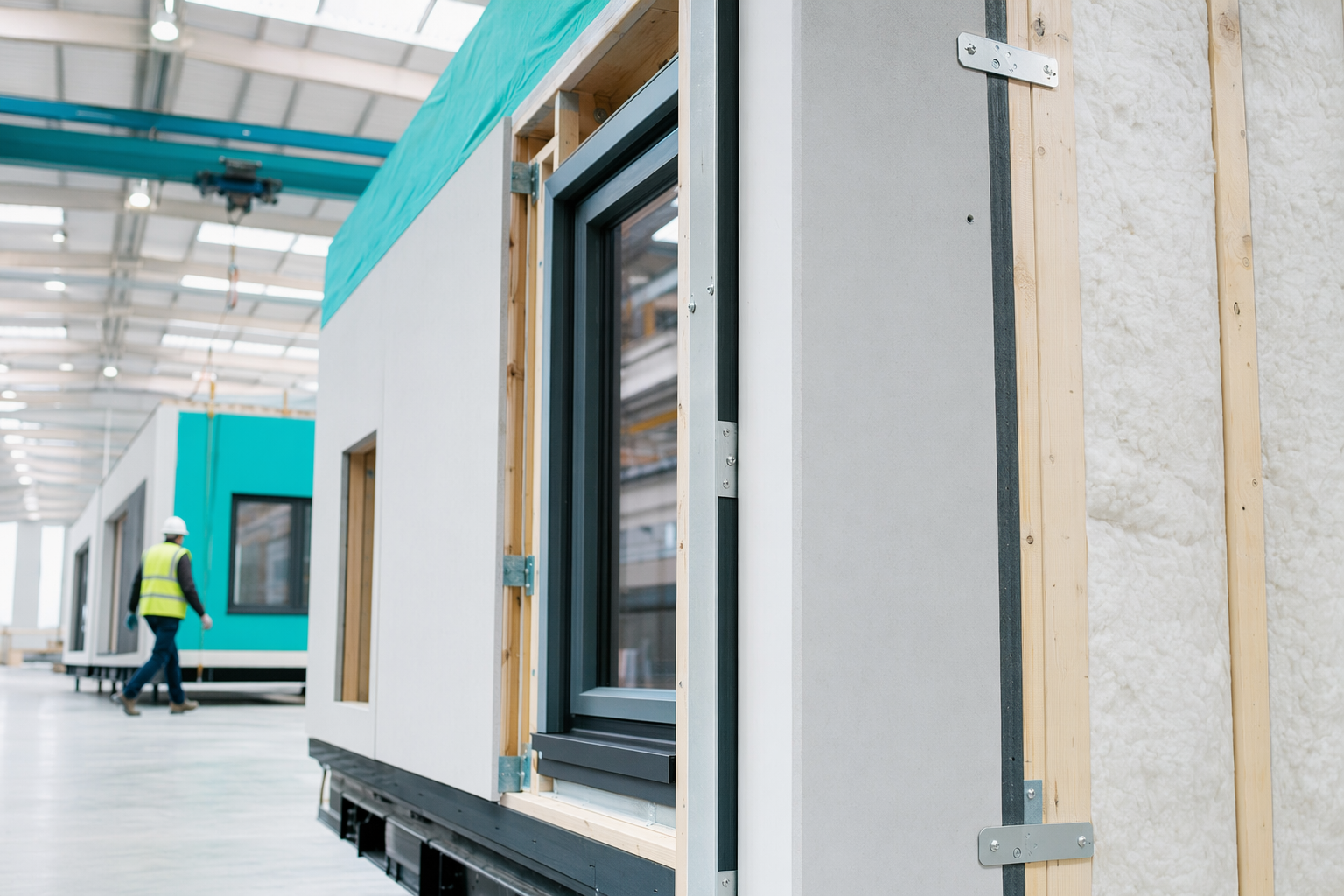
Yes, modular homes can be good quality. The real answer depends on the design, factory process, transport, site work, set crew, and the builder you hire to finish the home correctly.
A free matching service — not a builder · You compare and choose · 10 languages
Yes, modular homes can be good quality. The real answer depends on the design, factory process, transport, site work, set crew, and the builder you hire to finish the home correctly.
A modular home is built in sections, called modules, in a factory and then moved to your land. After that, the modules are set on a permanent foundation and finished on site.
Quality is not only about how the walls are built in the factory. It also includes the foundation, weather sealing, plumbing and electrical connections, roofing details, interior finishes, and how well the builder handles permits and inspections.
A well-built modular home can feel and perform like a site-built home. But quality can drop if the design is rushed, the site is not prepared well, or the builder cuts corners during the set and finish stages.
Factory building can help with consistency. Materials are stored indoors, crews repeat the same steps often, and the structure usually has to be strong enough to travel by truck and be lifted by crane on set day.
That does not mean every modular home is high quality by default. It means the system can support good results when the factory, local builder, and installers all do their jobs well.
Some buyers also confuse modular with other types of prefab housing. Most modular homes are built to the state or local residential code, often based on the IRC, while manufactured homes are built to the federal HUD code. If you are comparing options, see modular homes and guides.
Many problems happen after the modules leave the factory. Transport, crane setting, weather exposure, foundation errors, and poor finish work can all affect the final result.
Common trouble spots include: - uneven foundations or bad site grading - water leaks at roof or marriage line connections - cracked drywall after transport or settling - weak air sealing around module joints - plumbing, HVAC, or electrical connection mistakes - finish details that are rushed at the end
This is why the local builder matters so much. You should confirm in writing who handles site work, permits, utility hookups, inspections, punch-list items, and warranty service. You should also verify the builder's license and insurance yourself.
Ask specific questions, not just "Is it good quality?" A better approach is to compare materials, scope, process, and who is responsible for each part of the job.
If possible, review plans, specifications, and finish selections line by line. You can also ask to compare builders through our free matching service. ModPath Homes is not a builder or licensed building professional. We help you compare local options, then you choose who to hire.
A modular home is a team project. The factory builds the modules, but local pros still handle land prep, foundation, utility work, setting the home, weatherproofing, and final finish work.
That means a great factory product can still lead to poor results if the local team is weak. The opposite is also true. A careful builder can help prevent many common problems by planning well, checking details, and fixing issues early.
If you are starting your search, learn more about how it works, browse models, or use our free builder matching service. Always compare scope, price, timeline, and responsibilities in writing before you sign a contract.
They can be. Modular homes are typically built to the same state or local residential code used for many site-built homes, and the modules are often engineered to handle transport and crane lifting. Final quality still depends on proper foundation work, set day, and finish work on site.
They can if joints, roof details, or site connections are done poorly. Small drywall cracks can happen after transport or settling, and they are often repairable. Bigger issues usually come from bad site work, poor weather sealing, or weak finish crews, not from the idea of modular construction itself.
No. A modular home is usually built to the local or state residential code and installed on a permanent foundation. A manufactured home is built to the federal HUD code. Both are factory-built, but they are not the same product.
ModPath Homes is a free matching and guide service. We can help you connect with experienced builders near you for modular homes, prefab homes, or ADUs. You compare your options and choose who to hire, then confirm scope, price, timeline, license, and insurance directly with the builder.
Free for homeowners. Project and contact details only. You compare builders and choose who to hire.