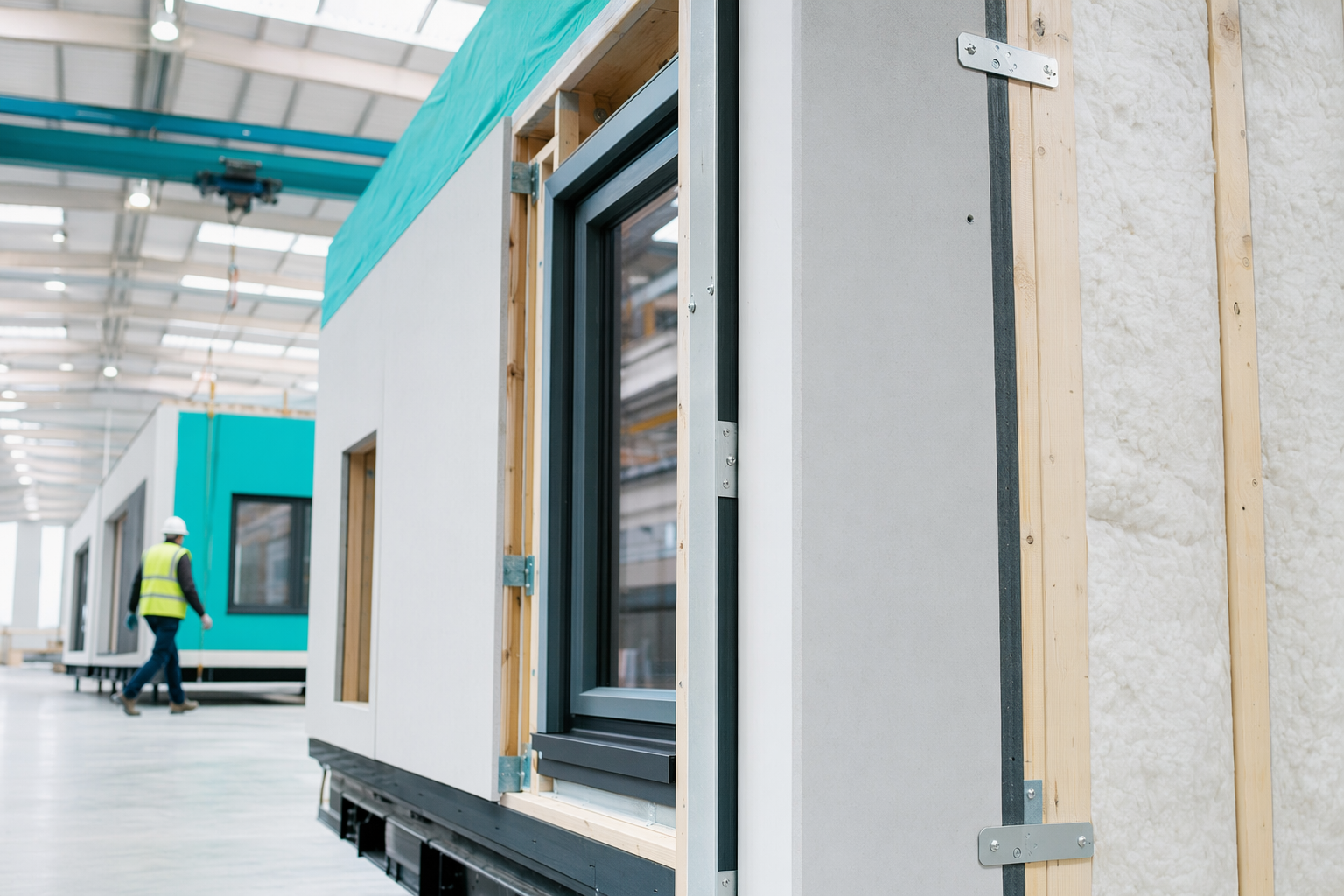
A modular home can last as long as many site-built homes if it is well designed, properly installed, and maintained over time. The short answer is not about a fixed number of years. It depends on the home, the foundation, local weather, site work, and how well the home is cared for.
The short answer
Modular homes are built in sections at a factory, then transported to the home site and set on a permanent foundation. After set day, they are finished and inspected like other homes in the area.
In most cases, a modular home is meant to be a long-term house, not a temporary structure. A well-built modular home that meets local code, is installed correctly, and gets normal upkeep can last for many decades.
What matters most is not that it was factory built. What matters is code compliance, good installation, solid site work, moisture control, and maintenance.
Why some modular homes last longer than others
Lifespan depends on many parts working together. The home itself is only one part. The land, foundation, drainage, roof, windows, and regular maintenance all play a role.
Key factors include: - Foundation quality. Slab, crawlspace, and basement foundations each need proper design and installation. - Site drainage. Water that collects near the home can cause major problems over time. - Roof and exterior care. Good flashing, siding, and roofing help keep water out. - Climate. Snow, wind, heat, humidity, salt air, and wildfire risk all affect wear. - Transport and set quality. Modules must be delivered and joined correctly. - Ongoing maintenance. Small repairs done early can prevent larger damage later.
If you are comparing options, services for modular homes can help you understand what questions to ask builders before you choose who to hire.
Modular homes versus manufactured homes
Many homeowners mix up these terms. They are not the same, and that affects durability discussions.
Modular homes are typically built to the state or local residential code, often based on the IRC, then installed on a permanent foundation. Manufactured homes are built to the federal HUD code. Both can be good housing options, but they follow different rules and may be financed, installed, and valued differently.
If your goal is a house that feels more like a standard site-built home in layout, foundation, and appraisal process, a modular home may fit better. If you are still learning the basics, visit guides and how it works for simple explanations.
What helps a modular home age well
A modular home lasts longer when the early planning is done carefully. This starts before the home is even ordered.
Choose a builder with experience in modular installation, not just general construction.
Make sure the foundation plan matches the soil, slope, and drainage conditions.
Confirm who handles permits, utility connections, and site work.
Ask what weather barrier, roof system, windows, and exterior materials are included.
Get warranty details, scope, price, and timeline in writing.
After move-in, regular care matters. Keep gutters clear, fix leaks quickly, maintain caulking and paint or siding, service HVAC systems, and watch for signs of water intrusion in the roof, crawlspace, basement, or around windows and doors.
If you want help comparing experienced local companies, get matched for free. ModPath Homes is a free matching and guide service. We are not the builder. You compare options, choose who to hire, and verify license and insurance yourself.
How to judge long-term quality before you buy
You usually cannot tell a home's full lifespan from a brochure or floor plan alone. Ask practical questions about the full project, not just the model.
Good questions to ask include: - Who is responsible for foundation work and site prep? - How are the modules protected during transport? - What happens on crane set day and who finishes the join points? - What insulation, roofing, windows, and exterior materials are included? - What inspections are required in my area? - What warranty covers the structure, finish work, and installation?
It also helps to compare the total project path. Land conditions, utility hookups, grading, permits, porches, garages, and other extras can affect both performance and maintenance over time. You can start with models, then review costs and ask matched builders for written details.
In plain English: Yes, modular homes can last a very long time. The biggest keys are good design, proper installation, a solid foundation, and regular maintenance.
Common questions
Do modular homes last as long as site-built homes?
They can. A modular home that meets local code, is installed correctly on a proper foundation, and is maintained well can last for many decades, much like many site-built homes.
Can a modular home lose value faster because it was factory built?
Not always. Resale value depends on location, land, condition, layout, foundation type, neighborhood, and local market demand. Ask local builders and real estate professionals how modular homes are viewed in your area.
What is the biggest risk to a modular home's lifespan?
Water is one of the biggest risks. Poor drainage, roof leaks, bad flashing, plumbing leaks, or moisture under the home can lead to long-term damage if not fixed early.
How can I protect myself before signing with a builder?
Get the scope of work, materials, allowances, warranty terms, price, and estimated timeline in writing. Confirm who handles permits, site work, and utility connections. Verify the builder's license and insurance yourself before you hire anyone.