A free matching service — not a builder · You compare and choose · 10 languages

ModPath Homes
☰ Menu
Guide

Modular home foundation types explained

Modular home foundation types explained

The foundation is a big part of any modular home plan. It affects cost, design, access under the home, and how the home is set and finished on your land. This guide explains the main foundation types in plain language so you can ask better questions before you hire a builder.

What a modular home foundation does

A modular home is built in sections, called modules, in a factory and then set on a permanent foundation at the home site. The foundation supports the home, helps keep it level, and connects it to the land.

The foundation also affects stairs, porches, utility hookups, storage space, and how the home looks from the street. Your builder, engineer, and local building department usually decide what is allowed and what works best for your lot.

ModPath Homes is a free matching and guide service. We help you compare experienced builders near you. You choose who to hire, and you should confirm scope, price, timeline, license, and insurance in writing with the builder.
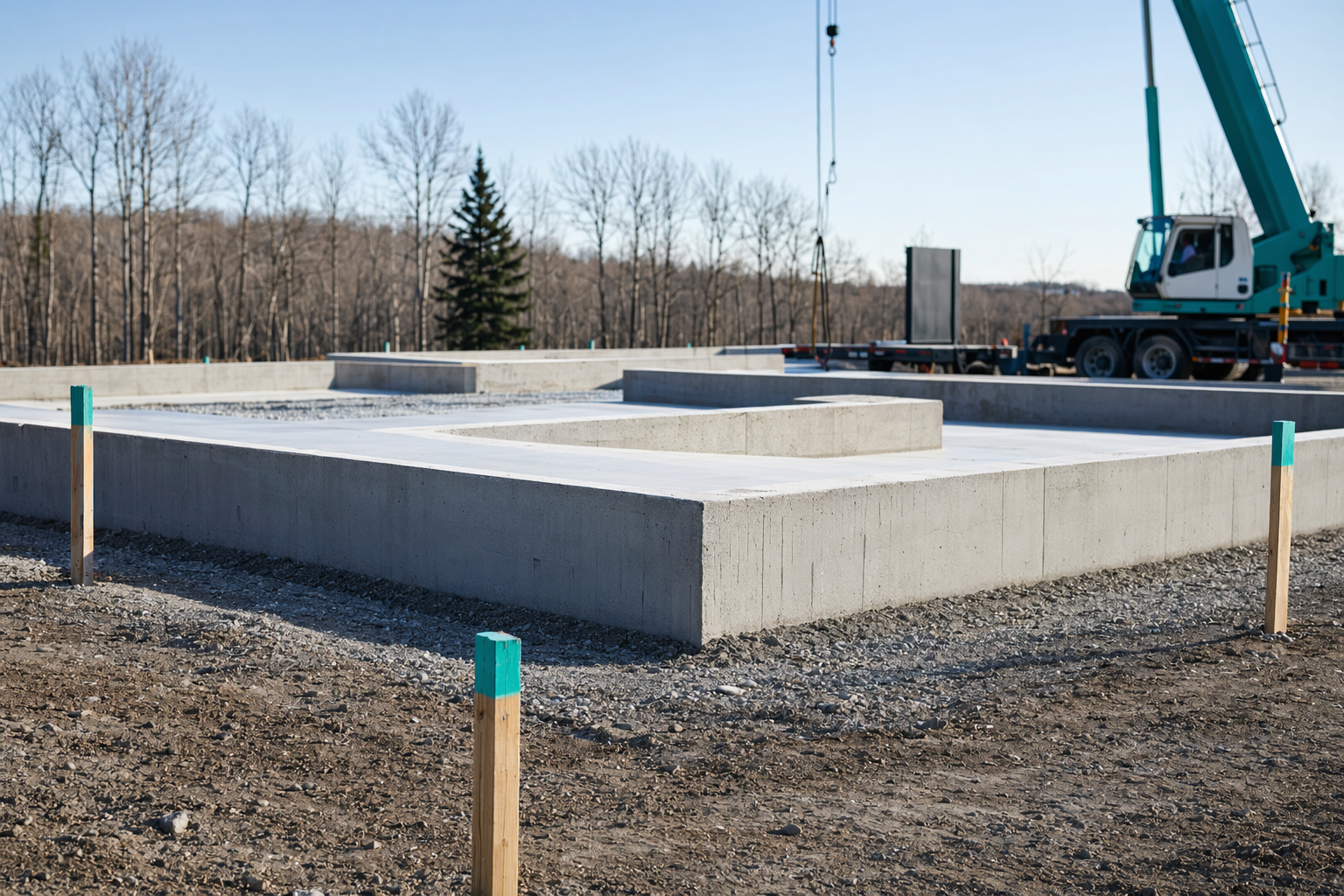
The 3 main foundation types for modular homes

Most modular homes in the US are placed on one of these permanent foundation types:

  • Slab foundation. A concrete slab is poured at ground level. This can be a simple option on the right site, but it usually gives you little or no under-home access.
  • Crawlspace foundation. The home sits above a short space under the floor. This can make it easier to reach plumbing, ductwork, and wiring later.
  • Basement foundation. The home sits on full-height foundation walls with a basement below. This adds usable enclosed space, but it also adds more excavation, walls, waterproofing, and stairs.

Some homes may also use piers or other engineered systems in special conditions, but slab, crawlspace, and basement are the common starting points. What is possible depends on soil, slope, frost depth, drainage, local code, and the home design.

If you are still comparing home types, see services for modular homes or browse guides.

How to choose the right foundation for your lot

The best foundation is not only about preference. It depends on the land and the home plan. A flat, dry lot may point to one choice. A sloped lot, high water table, rocky soil, or deep frost line may point to another.

Ask about these factors early:

  1. Soil and drainage. Does the lot hold water. Is there a need for extra drainage, fill, or retaining work.
  2. Slope and access. Can trucks and a crane reach the set area safely on set day.
  3. Frost depth and local code. Foundations must meet local requirements.
  4. Utilities. Where will water, sewer or septic, electric, and gas connect.
  5. Future use. Do you want storage, easier utility access, or basement space.

Your modular builder may coordinate with a local foundation contractor, site contractor, or engineer. Always ask who is responsible for each part of the work. Site work, permits, utility trenching, porches, steps, and garages are often separate from the factory-built home price.

Set day, finishing work, and why foundations matter

On set day, the modules are delivered and lifted into place, often by crane. The foundation must be ready, level, and built to the approved plan before the home arrives.

After the modules are set, crews usually do finish work at the site. This may include joining the sections, sealing the roof areas, connecting utilities, finishing drywall at the marriage line, and adding stairs or decks. The type of foundation affects some of this work and how long certain trades need access.

A modular home is different from a HUD-code manufactured home. Modular homes are generally built to the state or local residential code, often the IRC, and placed on a permanent foundation. If you are comparing options for a smaller second home, ADU builders may also be worth reviewing.

Questions to ask builders before you sign

Before you hire anyone, ask for a clear written scope. This helps you compare bids fairly and avoid confusion later.

Ask questions like these:

  • What foundation type do you recommend for my lot, and why.
  • What site work is included, and what is excluded.
  • Who handles permits, engineering, excavation, and inspections.
  • Who pours the foundation and who checks that it matches the modular plans.
  • What happens if soil, drainage, or access problems are found.
  • Are stairs, skirting, porches, garages, and utility hookups included.

You can use ModPath Homes to get matched with builders and start those conversations. Our service is free. You compare your options and choose who to hire. Before signing, verify the builder's license and insurance yourself, and confirm the final scope, price, and timeline in writing. If you want help getting started, go to Get matched.

In plain English: The best modular home foundation depends on your land, local rules, and how you want to use the home. Ask builders to explain the foundation choice in writing, including what site work and finishing work are included.

Common questions

Can a modular home go on a slab foundation?

Yes, many modular homes can go on a slab if the home design, local code, and site conditions allow it. But not every lot or floor plan is a good fit. Ask the builder and engineer what is approved for your land and plan.

Is a basement better than a crawlspace for a modular home?

Not always. A basement gives you more enclosed space, but it can also mean more excavation, waterproofing, and foundation work. A crawlspace can offer easier access to utilities with less digging on some sites. The right choice depends on your lot, budget, code, and goals.

Who builds the foundation for a modular home?

It varies. Sometimes the modular builder manages the foundation through a local contractor. Sometimes the homeowner hires the site or foundation contractor separately. Ask who is responsible for design, permits, excavation, concrete work, inspections, and correcting errors if something does not match the modular plans.

Does the foundation cost come with the modular home price?

Sometimes yes, sometimes no. Quotes can be structured very differently. Factory home pricing, site work, excavation, permits, utility connections, and the foundation may be combined or separated. Get a full written list of what is included and what is excluded before you sign.

Keep reading

Free tool

Start your free match

Free for homeowners. Project and contact details only. You compare builders and choose who to hire.

Get matched — free