Modular vs manufactured home
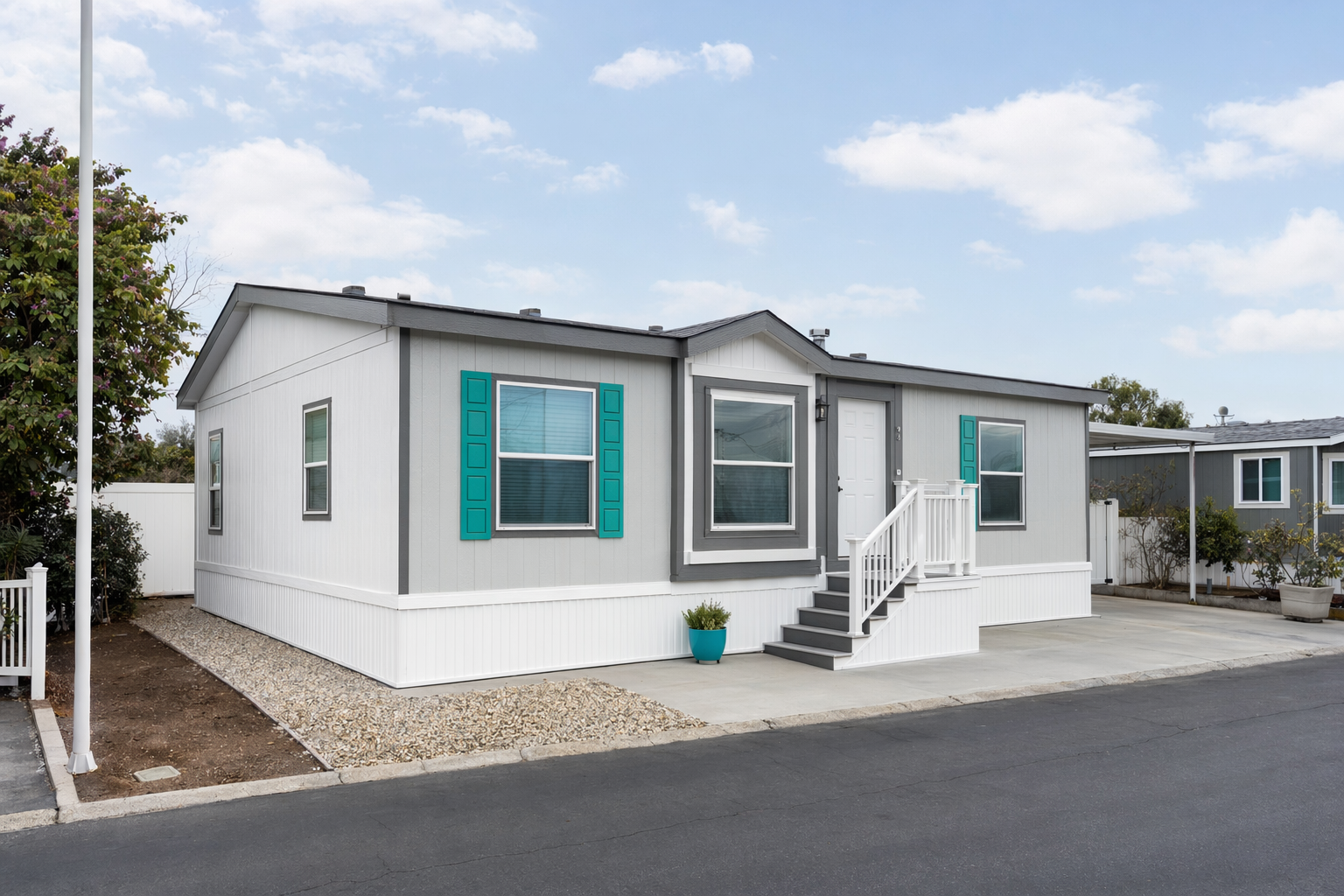
Modular and manufactured homes are not the same thing, even though people often mix up the terms. The biggest difference is the building code, how the home is built and approved, and how it is placed on the site.
A free matching service — not a builder · You compare and choose · 10 languages
Modular and manufactured homes are not the same thing, even though people often mix up the terms. The biggest difference is the building code, how the home is built and approved, and how it is placed on the site.
A modular home is built in sections at a factory, then shipped to the site and set on a permanent foundation. It is built to the same state or local residential code used for many site-built homes, often the IRC.
A manufactured home is also factory-built, but it is built to the federal HUD code. It is transported on a steel chassis and then installed on the home site.
Both can be good options for different budgets, land situations, and goals. The right fit depends on your land, financing, local rules, floor plan needs, and the builders available in your area.
The biggest difference is the code.
There are other differences too. A modular home usually arrives as one or more large modules. A manufactured home arrives as one or more transportable sections built on a permanent chassis.
Appraisal, lending, zoning, insurance, and resale details can vary by home type and area. Always ask the builder and lender how they handle the specific model and site.
Before you pick a home, make sure your land and local rules allow it. Some areas allow modular homes but limit or prohibit manufactured homes. Some areas have special rules for size, roof pitch, foundation type, design, or whether the home can be used as an ADU.
You may also need site work before the home can be set. This can include grading, driveway access, utility connections, septic or sewer, well or water service, permits, and inspections. Set day is only one part of the project.
Financing can be different too. Some buyers use construction-to-permanent loans for modular homes. Some manufactured homes may use other loan types, including chattel loans in some situations. Loan options depend on the home, land ownership, foundation, credit profile, and lender rules.
If you are early in your search, how it works explains how ModPath Homes helps you compare options. Our service is free. You choose who to contact and hire.
Neither home type is automatically better. The best choice depends on your goals.
If you also want a small second home in the backyard, read about ADU builders and local ADU rules. If you want to compare factory-built main homes, see modular homes and models.
Do not rely on labels alone. Ask for the exact model type, code type, foundation plan, included scope, delivery method, and what site work is excluded.
ModPath Homes is not a builder, manufacturer, contractor, architect, or licensed building professional. We are a free matching and guide service that helps homeowners learn the basics and connect with experienced builders near them.
You can use us to compare companies for modular, prefab, manufactured, and ADU projects. We help you start the conversation, but you should confirm the scope, price, timeline, permits, and site responsibilities directly with the builder in writing.
Before hiring anyone, verify the builder's license and insurance yourself. Ask who handles permits, foundation work, utility hookups, transport, crane set, finish work, punch list items, and warranty service.
When you are ready, get matched to compare builders near you.
No. Both are factory-built, but they follow different building codes. Modular homes are built to state or local residential code. Manufactured homes are built to the federal HUD code.
Maybe, but you need to check local zoning, deed restrictions, HOA rules, utility access, and permit requirements. Some areas treat modular and manufactured homes differently.
Not always. Price depends on the model, size, finishes, location, land, site work, transport, foundation, permits, and builder. Get detailed written quotes and compare what is included and excluded.
No. ModPath Homes is a free matching service, not the company building your home. Builders set their own pricing, scope, and schedule, and you should confirm all details with them in writing.
Free for homeowners. Project and contact details only. You compare builders and choose who to hire.