A free matching service — not a builder · You compare and choose · 10 languages

ModPath Homes
☰ Menu
Guide

Modular vs Prefab: What Homeowners Should Know

Modular vs Prefab: What Homeowners Should Know

People often use the words prefab and modular like they mean the same thing. They are related, but not identical. This guide explains the difference in plain language so you can compare home types, ask better questions, and choose a builder with more confidence.

Prefab is the big category. Modular is one type of prefab.

Prefab means parts of a home are built in a factory before they go to the job site. That can include full room-sized modules, wall panels, roof trusses, or other factory-made parts.

Modular homes are a type of prefab home. They are built in sections, often called modules, then shipped to the site and set on a foundation with a crane.

So, all modular homes are prefab, but not all prefab homes are modular. Some prefab homes use panels instead of full modules. Others may use factory-built components along with site-built work.

What modular usually means in the US

In the US, a modular home is usually built to the state or local residential code, often based on the IRC, not the federal HUD code used for manufactured homes. The modules are built in a factory, transported to your land, and joined together on-site.

After the crane set day, the builder still has work to do. That may include foundation connections, utility hookups, roofing tie-ins, siding touch-up, interior drywall repair at seams, stairs, porches, garages, and final inspections.

Modular homes can look very similar to site-built homes after completion. The final design, quality, and finish depend on the home model, the factory, the builder, your site conditions, and the materials you choose. You can learn more about options at /services/modular-homes/.
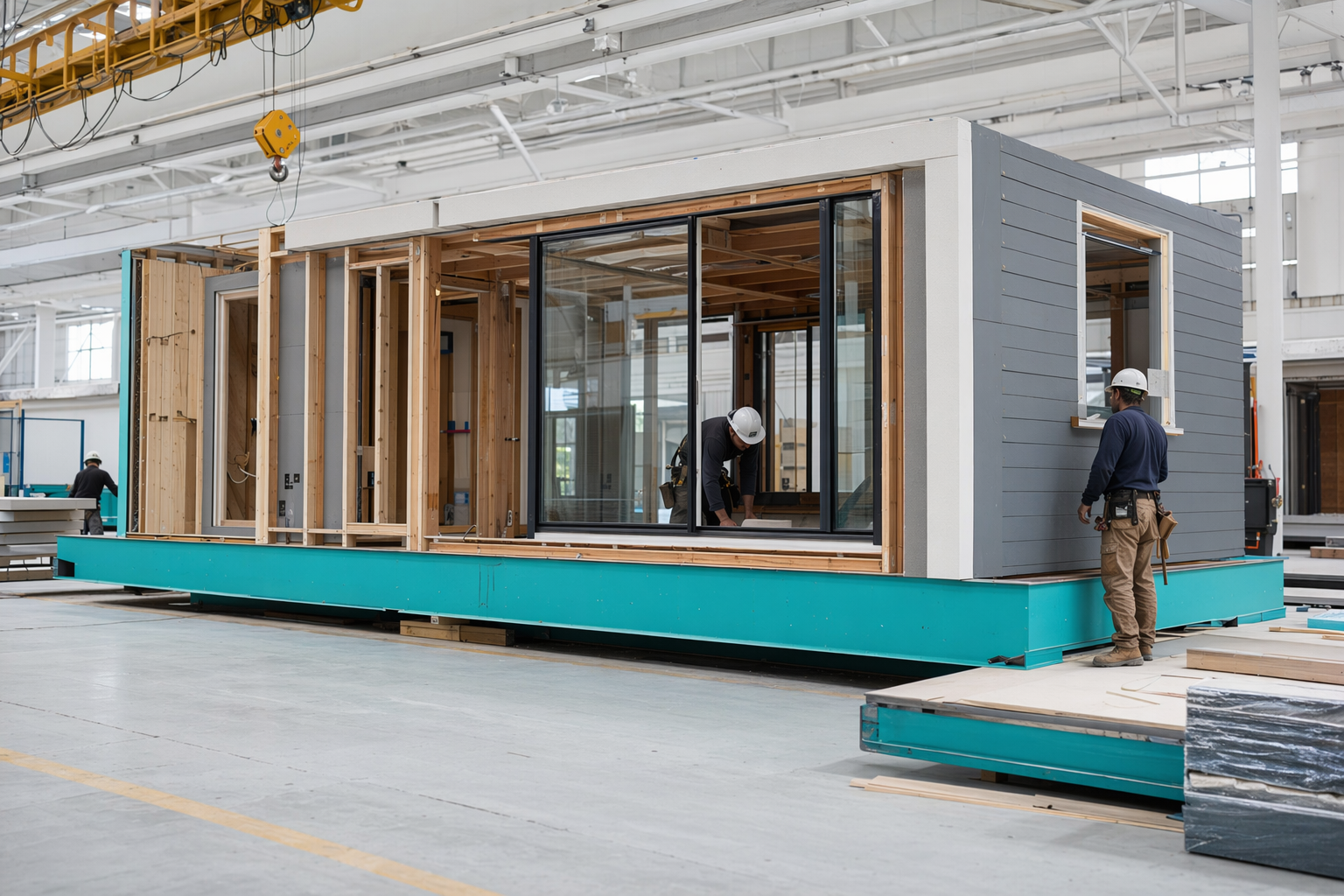
Prefab can also mean panels, kits, or other factory-built systems

Some people say prefab when they mean panelized construction. In that method, wall panels, floor systems, or roof parts are factory-made and assembled on-site. This is different from shipping large finished modules.

Other times, prefab is used as a general marketing word for almost any home with factory-built parts. That is why it is smart to ask the builder exactly what is being built in the factory and exactly what is finished on-site.

Ask clear questions like: - Is this modular, panelized, manufactured, or mostly site-built? - What code is it built to? - What work is included on my land? - Who handles permits, foundation, utility connections, and inspections? - What items are not included in the written price?

Modular vs manufactured is a separate question

Many homeowners mix up modular and manufactured homes. They are not the same. Manufactured homes are built to the federal HUD code. Modular homes are generally built to state or local code.

That code difference can affect financing, appraisal, placement rules, and what local jurisdictions allow on a property. It can also affect whether a home is placed on a permanent foundation or financed in another way.

If you are also looking at an ADU, local rules matter even more. Size limits, setbacks, utility requirements, and design rules can change by city or county. See /services/adu-builders/ and /guides/ for more help.

How to compare builders and protect yourself

The best choice is not just about the word prefab or modular. It is about the full project. Land, access for delivery, soil, slope, foundation type, utility work, permits, and finish level all matter.

Before you hire anyone, compare builders carefully: 1. Ask for a written scope of work. 2. Confirm what is included and excluded. 3. Ask who handles permits, site work, and inspections. 4. Verify the builder's license and insurance yourself. 5. Confirm price, timeline, warranty, and change-order terms in writing.

ModPath Homes is a free matching and guide service. We are not a builder or licensed building professional. We help you compare options and get matched with experienced builders near you. You choose who to contact and who to hire. Start here: /get-matched/.

In plain English: Prefab is the big umbrella term. Modular is one type of prefab home. The right choice depends on your land, local rules, budget, and what each builder includes in writing.

Common questions

Is prefab cheaper than modular?

Not always. Modular is one kind of prefab, so the price depends on the design, size, factory, builder, finishes, land, permits, foundation, and site work. Always ask for a written scope and confirm what is included before you compare prices.

Is a modular home the same as a manufactured home?

No. In the US, manufactured homes are built to the federal HUD code. Modular homes are usually built to state or local residential code. That difference can affect placement rules, financing, and inspections.

Does prefab mean the whole house is finished in a factory?

No. Some prefab homes are built as full modules. Others use panels or factory-made parts. Most projects still need on-site work like foundation, utility connections, interior finish work, stairs, porches, and final inspections.

Can ModPath Homes help me choose between modular and prefab?

Yes. ModPath Homes is a free matching service that helps you understand your options and compare builders near you. We do not build homes or quote your project. You should verify each builder's license and insurance yourself, and confirm scope, price, and timeline in writing with the builder.

Keep reading

Free tool

Start your free match

Free for homeowners. Project and contact details only. You compare builders and choose who to hire.

Get matched — free