A free matching service — not a builder · You compare and choose · 10 languages

ModPath Homes
☰ Menu
Guide

What Is a Manufactured Home?

What Is a Manufactured Home?

A manufactured home is a home built in a factory to a national federal code, then moved to the home site and installed there. It is different from a modular home, which is also factory built but follows state and local building codes like many site-built homes.

Manufactured home meaning, in plain language

A manufactured home is a factory-built home made under the HUD Code, which is a federal construction standard for manufactured housing in the United States. Most people use the term "mobile home" for older units, but homes built after June 15, 1976 are generally called manufactured homes.

The home is built in sections at a plant, transported on a steel frame, and placed on the home site. It may be installed in a land-lease community or on private land, depending on local zoning and site rules.

A manufactured home is not the same as a modular home. If you are comparing types, see guides or learn more about modular homes.

How a manufactured home is different from modular and prefab

Prefab is a broad word. It can include manufactured homes, modular homes, panelized homes, and some ADUs. The important question is which code the home follows and how it will be installed.

  • Manufactured home: Built to the federal HUD Code.
  • Modular home: Built in a factory to state and local residential code, often the IRC.
  • Panelized home: Wall, roof, or floor panels are factory made, then assembled on site.
  • ADU: A smaller secondary home on the same property as a main home. It can be modular, panelized, manufactured, or site built, depending on local rules.

This matters because financing, zoning, permits, foundation options, and builder choices may differ. A builder can explain what is allowed on your land, but you should confirm local rules with your city or county before you sign anything.

How the process usually works

The factory builds the home sections indoors, which can reduce weather delays during that part of the job. After that, the home is delivered to the site, set in place, and connected to utilities.

The full project still includes land questions, permits, utility connections, grading, driveway access, and foundation or support work. Those items are often called site work, and they can affect total price and timeline.

A simple way to think about it is:

  1. Choose a floor plan and confirm what is included.
  2. Check zoning, setbacks, and utility access for the land.
  3. Get written bids for transport, installation, and site work.
  4. Confirm permits, inspections, and final utility hookups.

If you want help comparing local options, get matched with builders near you through our free matching service.

Common questions about land, foundation, and financing

Some manufactured homes are placed on private land. Others go into a community that rents home sites. Whether you can place one on your property depends on local zoning, deed restrictions, flood rules, and utility access.

Foundation setup also varies. Some homes use piers or other support systems. In some cases, buyers look at permanent foundation options, depending on the home, lender, and local requirements. Always ask what foundation or support system is included in writing.

Financing can also vary. Some buyers explore chattel loans for homes titled as personal property. Others ask about land-home loans or construction-related financing when land and installation are part of the project. Terms depend on the lender, the home, the land, and how the home will be titled.

What ModPath Homes does, and does not do

ModPath Homes is a free matching service. We help homeowners learn the basics, compare options, and get matched with experienced home builders near them for modular, prefab, manufactured, and ADU projects.

We are not a home builder, manufacturer, contractor, architect, or licensed building professional. You compare your options and choose who to hire. You should confirm scope, price, timeline, permits, and installation details in writing with the builder or dealer, and verify license and insurance yourself.

If you are still deciding between home types, visit how it works, browse models, or get matched to compare local companies.
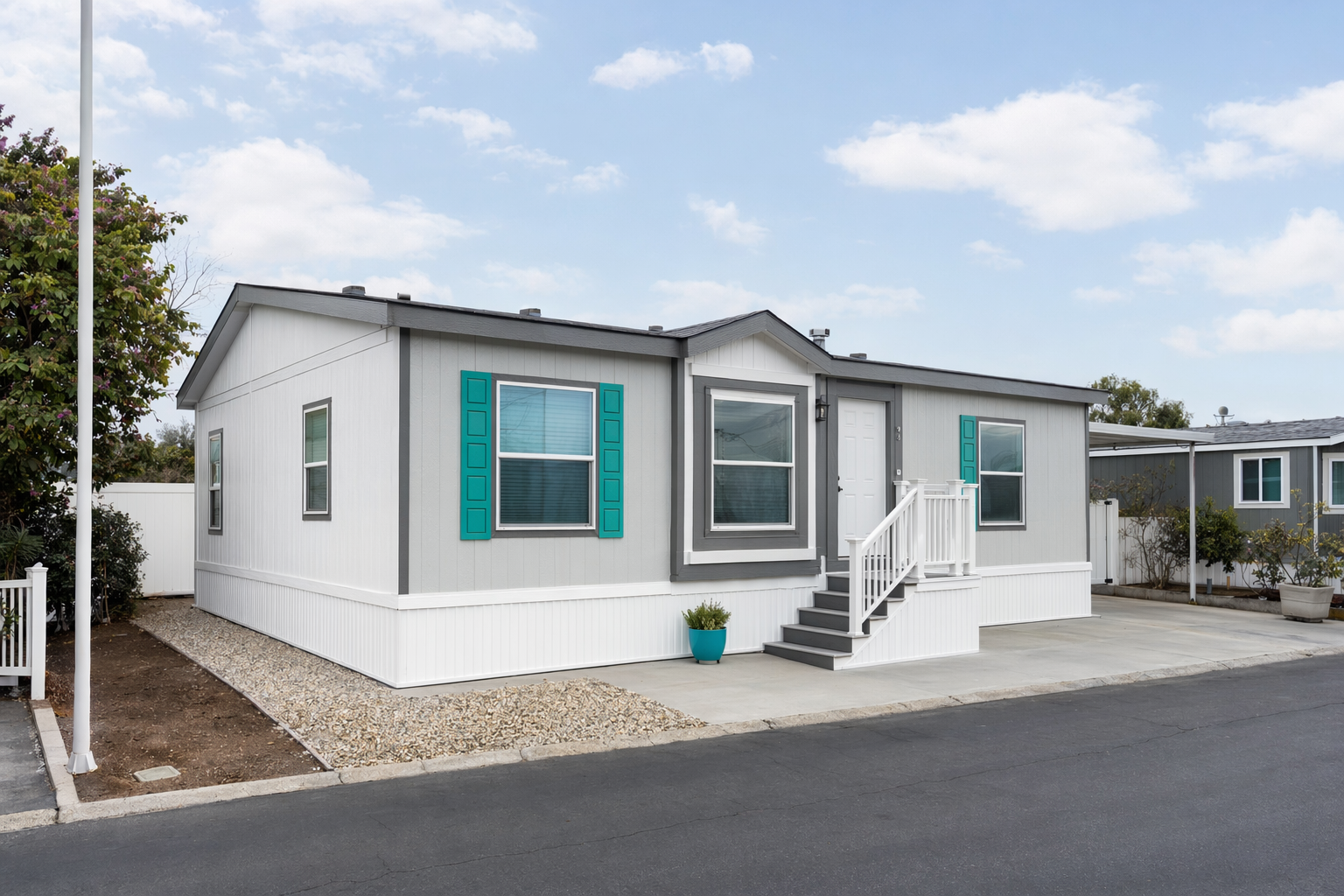
In plain English: A manufactured home is a factory-built home made to the federal HUD Code, not the same as a modular home. The home type, land rules, site work, and financing all matter, so compare options carefully and get details in writing.

Common questions

Is a manufactured home the same as a mobile home?

Not exactly. Many people still say "mobile home," but homes built after June 15, 1976 are generally called manufactured homes because they follow the federal HUD Code. Older pre-1976 units are usually what people mean by mobile homes.

Is a manufactured home the same as a modular home?

No. A manufactured home follows the federal HUD Code and is transported on a steel frame. A modular home is factory built too, but it follows state and local building codes, like many site-built homes. That difference can affect zoning, financing, and installation.

Can I put a manufactured home on my land?

Maybe. It depends on local zoning, setbacks, utility access, road access, flood rules, HOA or deed restrictions, and other site conditions. Always check with your city or county before you buy a home or sign a contract.

Does ModPath Homes sell manufactured homes?

No. ModPath Homes is a free matching and guide service. We help you compare local builders and companies, but you choose who to hire and should verify their license, insurance, scope, price, and timeline yourself.

Keep reading

Free tool

Start your free match

Free for homeowners. Project and contact details only. You compare builders and choose who to hire.

Get matched — free