A free matching service — not a builder · You compare and choose · 10 languages

ModPath Homes
☰ Menu
Guide

What Is a Modular Home?

What Is a Modular Home?

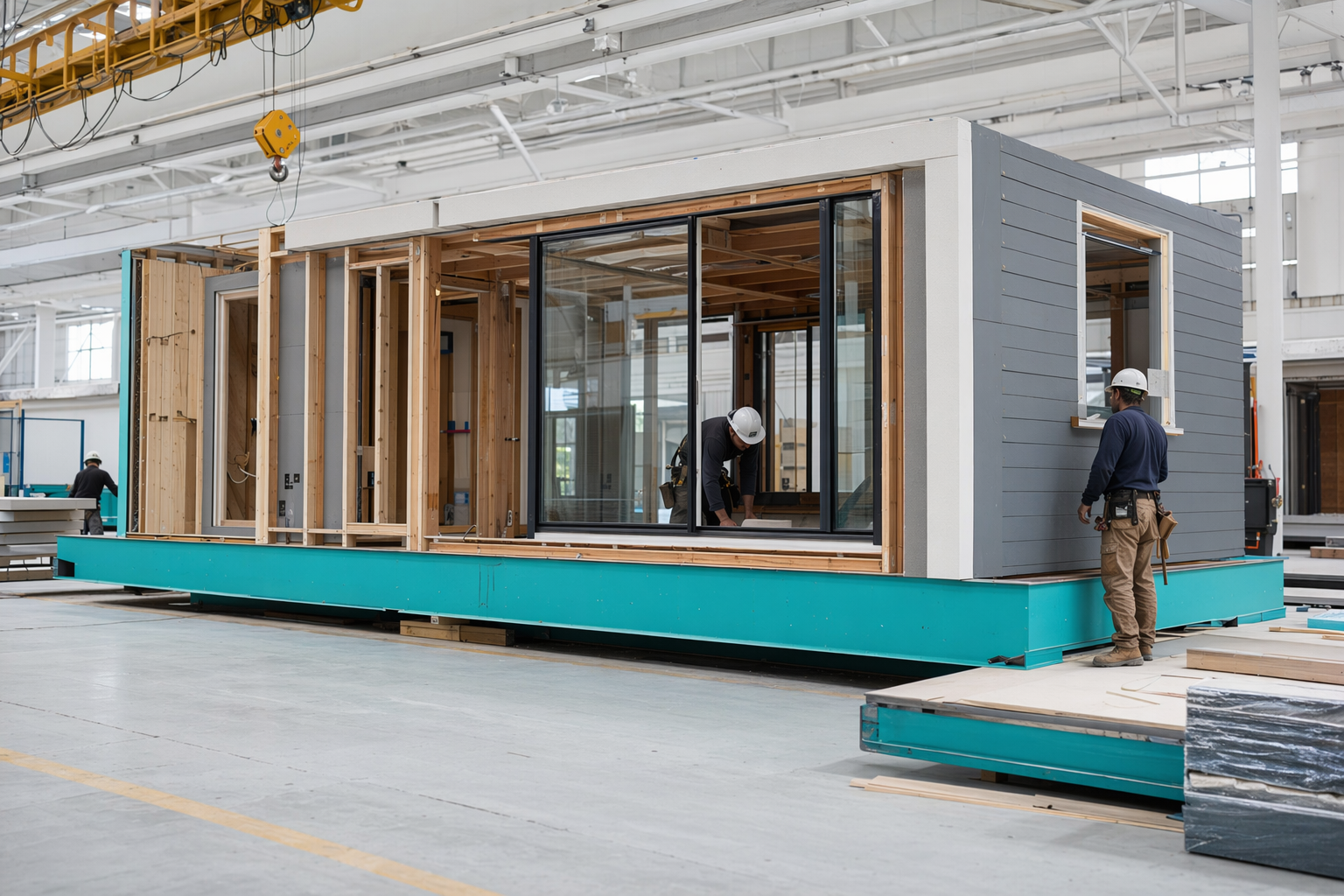
A modular home is a house built in sections at a factory, then moved to your land and joined together on a permanent foundation. It is different from a mobile home or most manufactured homes, and it still needs land, permits, site work, and a local builder crew to finish the job.

A simple definition

A modular home is a real house built in modules, or large sections, inside a factory. Those modules are transported to the home site, lifted into place, and connected together.

After the set, the builder finishes the home on site. That can include the foundation connection, roof details, exterior work, interior trim, utility hookups, porches, garages, and final inspections.

Most modular homes are built to the same state and local building code used for site-built homes, often the IRC. That is one reason many homeowners see modular as a type of homebuilding method, not a lower class of house.

How modular is different from manufactured and prefab

People often use the words modular, prefab, and manufactured like they mean the same thing. They do not.

  • Prefab is a broad word. It means some or all parts are made before they arrive at the site.
  • Modular usually means large box-like sections are factory built, then assembled on a permanent foundation.
  • Panelized homes use wall, floor, or roof panels made in a factory, then assembled on site.
  • Manufactured homes are built to the federal HUD code, not the same code path used for most modular homes.

This matters for financing, zoning, appraisal, insurance, and what local officials allow on your land. Before you choose a home type, ask what code the home is built to, what foundation it uses, and what your city or county will approve.

If you are still comparing options, see modular home services or ADU builders.

How the building process works

The process usually starts with a floor plan, budget range, and a check of your land or lot. You also need to think about utilities, driveway access, soil conditions, setbacks, and whether a crane can reach the set area.

Then the factory builds the modules while local work may happen at the site. Site work can include grading, foundation work, septic or sewer planning, water service, electrical service, and permits.

On set day, the modules are delivered and lifted into place by crane. After that, the local builder crew completes the join-up and finish work. Final steps usually include inspections and a certificate of occupancy before move-in.

If you want help comparing local companies, get matched for free. ModPath Homes is a free matching service. We are not the builder. You compare options and choose who to hire.

What modular homes can include

Modular homes can be simple or highly customized. Some buyers choose a standard model. Others change the layout, finishes, roof style, or add features for a family member, aging in place, or rental use.

Common options include: - one-story or two-story layouts - ranch, Cape, and contemporary styles - slab, crawlspace, or basement foundations - attached or detached garages - porches, decks, and mudrooms - energy upgrades and accessibility features

A modular home can also be used for some small homes and ADUs, but local zoning rules vary a lot. Always confirm lot coverage, size limits, parking rules, utility rules, and whether detached or attached ADUs are allowed in your area.

What to verify before you hire anyone

A modular project involves more than the house itself. The total scope may include land prep, tree work, utility connections, permits, transport, crane work, foundation, interior finish, and exterior finish. Make sure you know who is responsible for each part.

Before signing, ask for written details on these items: 1. The home model, plan, and included features. 2. What is factory built and what is finished on site. 3. Who handles permits, engineering, inspections, and utility coordination. 4. What site work is excluded from the price. 5. The payment schedule, change-order process, and estimated timeline.

Also verify the builder's license and insurance yourself. Read the contract carefully. ModPath Homes can help you start the comparison process through our how it works page and free matching service, but you should confirm scope, price, code compliance, and schedule directly with the builder in writing.
In plain English: A modular home is a house built in factory-made sections, then assembled on your land on a permanent foundation. It is still a real construction project, so compare builders carefully and get every important detail in writing.

Common questions

Is a modular home the same as a mobile home?

No. A modular home is usually built in sections at a factory and installed on a permanent foundation under state and local code rules used for site-built homes. A manufactured home is built to the federal HUD code. People sometimes say mobile home as a general term, but the code path and placement rules can be different.

Are modular homes cheaper than site-built homes?

Sometimes they can help with labor planning or build speed, but there is no universal price rule. Total cost depends on the home design, factory specs, transportation, crane work, foundation, site work, permits, utility hookups, finishes, and your local market. Get detailed written quotes and compare what is included.

Can I put a modular home on any land?

No. The land must meet local zoning and setback rules, and the site must work for access, foundation, drainage, and utility service. Some parcels also need well, septic, flood review, soil review, or driveway approval. Always check local requirements before you commit.

Does ModPath Homes build modular homes?

No. ModPath Homes is a free matching and guide service. We help homeowners compare experienced builders near them. You choose who to contact or hire, and you should verify the builder's license, insurance, scope, pricing, and timeline yourself.

Keep reading

Free tool

Start your free match

Free for homeowners. Project and contact details only. You compare builders and choose who to hire.

Get matched — free