A free matching service — not a builder · You compare and choose · 10 languages

ModPath Homes
☰ Menu
Guide

What Is a Prefab Home?

What Is a Prefab Home?

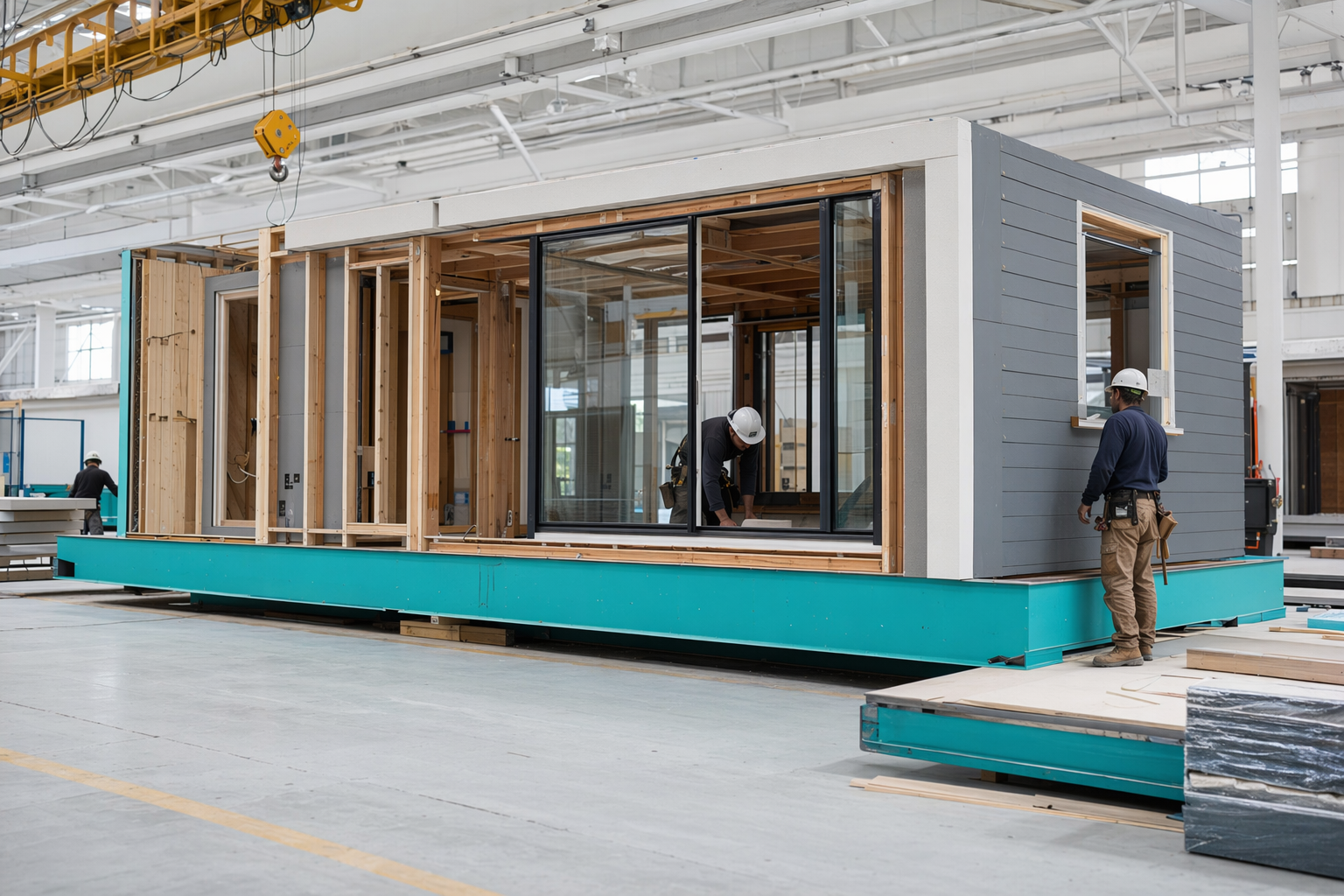
A prefab home is a home made in parts at a factory, then brought to your land for assembly. "Prefab" is a broad term. It can include modular homes, panelized homes, manufactured homes, and some ADUs. The type, code, setup, and builder process can be very different.

Prefab means built off-site, not all built the same way

Prefab is short for prefabricated. That means some or most of the home is built away from the final site, then moved and installed on your property.

There is no single "prefab home" product. A prefab home may be built as modules, as wall panels, or as a HUD-code manufactured home. Some small backyard homes and ADUs are also prefab.

This matters because the building code, financing options, transport method, and installation steps may be different. A homeowner should ask exactly what system is being offered before comparing price or timeline.

Common prefab home types in the US

The most common types are:

  • Modular homes. Large sections called modules are factory-built, shipped to the site, set by crane, and finished on a permanent foundation. These homes are generally built to the state or local residential code, often based on the IRC.
  • Panelized homes. Wall, roof, or floor panels are factory-made, then assembled on site. More work happens at the property than with full modules.
  • Manufactured homes. These are built to the federal HUD code, not the same code used for most site-built or modular homes.
  • Prefab ADUs. These may be modular, panelized, or another off-site system, depending on the builder and local rules.

If you are early in your search, it helps to look at modular home options and compare them with other guides before you contact builders.

How a prefab home gets from factory to land

A prefab project still needs land, planning, permits, and site work. The factory builds the home parts, but your property must also be prepared for delivery and installation.

A typical process looks like this:

  1. Choose a home type and floor plan.
  2. Confirm zoning, setbacks, utility access, and permit requirements.
  3. Prepare the site. This can include grading, driveway access, septic or sewer, water, electric, and a foundation.
  4. Deliver the home sections or panels.
  5. Set the home on site. For modular homes, this is often the crane set day.
  6. Finish the home, connect utilities, complete inspections, and get approval for occupancy.

Foundations can include a slab, crawlspace, or basement, depending on the design, soil, climate, and local code. Even when much of the home is factory-built, site work is still a major part of the project.

Why people consider prefab homes

Many homeowners like prefab because factory building can offer a more controlled production environment. Materials are cut and assembled in a shop setting, and some weather delays may affect the project differently than a fully site-built home.

But prefab is not automatically easier, cheaper, or faster in every case. Final cost and schedule depend on the home design, transport distance, land conditions, foundation, utility work, permits, local labor, and the builder you hire.

That is why ModPath Homes is a free matching service, not a builder. We help you learn the basics and get matched with experienced builders near you. You compare options, ask questions, and choose who to hire. You should confirm scope, price, timeline, warranty, license, and insurance in writing with the builder. You can get matched when you are ready.
What to ask before you choose a builder

Before signing anything, ask clear questions about the exact home system and what is included. This can help you avoid confusion later.

Useful questions include:

  • Is this modular, panelized, manufactured, or another prefab system?
  • What building code does it follow?
  • What foundation types are supported?
  • What site work is included, and what is not included?
  • Who handles permits, utility connections, and inspections?
  • What happens on delivery day and set day?
  • What financing is commonly used for this type of home, such as a construction-to-permanent loan or, in some manufactured-home cases, a chattel loan?
  • What warranty applies, and who handles service after installation?

If you want help starting the search, how it works explains our free guide and matching process. You stay in control of who to contact and who to hire.

In plain English: A prefab home is a home made in parts away from your land, then delivered and assembled. The big thing to remember is that not all prefab homes are the same, so ask what type it is, what code it follows, and what the builder includes.

Common questions

Is a prefab home the same as a modular home?

Not always. Prefab is the broad category. Modular is one type of prefab. Panelized homes and manufactured homes are also prefab, but they are built and regulated differently.

Are prefab homes built to the same code as regular houses?

Some are, some are not. Modular homes are generally built to the state or local residential code. Manufactured homes are built to the federal HUD code. Ask the builder which code applies to the home you are considering.

Do prefab homes still need permits and a foundation?

Usually, yes. Most prefab projects still need local permits, inspections, utility connections, and site preparation. Many also need a permanent foundation, such as a slab, crawlspace, or basement, depending on the home type and local requirements.

Can ModPath Homes build my prefab home for me?

No. ModPath Homes is not a builder, manufacturer, contractor, architect, or licensed building professional. We are a free matching and guide service that helps you compare experienced builders near you. You choose who to hire and should verify license, insurance, scope, price, and timeline yourself.

Keep reading

Free tool

Start your free match

Free for homeowners. Project and contact details only. You compare builders and choose who to hire.

Get matched — free